
JOURNAL
Toastmaster vs Wedding Planner vs DJ: Who Coordinates What?
A straightforward guide to the different roles, so you can build a team that supports the wedding day you want.
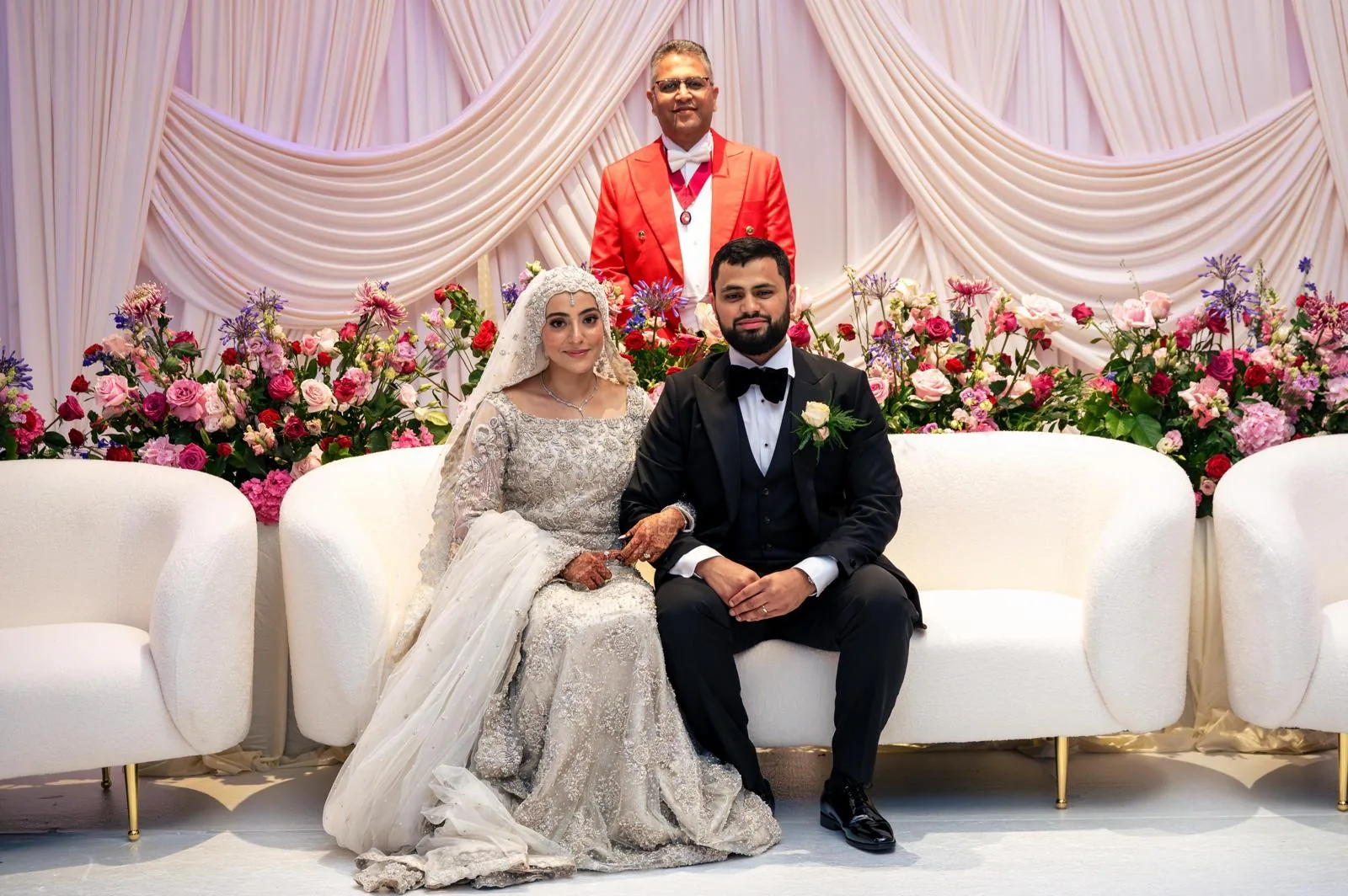
Planning a celebration can feel as though every decision carries extra weight. You want your guests to feel welcome, your family to feel respected and your day to flow without you spending it answering questions or watching the clock. A good toastmaster or MC gives you more room to enjoy the occasion by turning a running order into clear, kind communication. Rather than taking over your celebration, the role is there to support the experience you want people to have.
Start with what you want to stop worrying about
Wedding roles can sound similar because each person helps the day run well, but they focus on different parts of the experience. The best choice starts with your own priorities. Do you need help designing and managing the whole event, someone to lead guest-facing moments, or someone to keep the dance floor moving? Knowing the answer lets you invest in the support that gives you the most peace of mind.
What a wedding planner usually manages
A wedding planner is often involved well before the day itself. They can help with venues, budgets, suppliers, styling, contracts and the wider logistics of building your celebration. On the day, they may oversee supplier arrival, set-up and problem solving behind the scenes. This is ideal if you want professional help making many of the planning decisions and creating a coherent event from the ground up.
What a toastmaster or MC brings to the room
A toastmaster or MC is especially focused on the guest experience and the flow of live moments. They welcome people, make announcements, coordinate entrances, support speeches and explain what is happening next. That helps guests feel informed and helps you avoid asking a family member to manage the room. The role can also provide a useful bridge between your planner, venue and entertainment when the running order changes.
What your DJ is there to do
Your DJ is there to create the soundtrack and energy of the event. They may make some announcements, introduce key moments and guide the dance floor, but their attention is rightly on music, sound and atmosphere. If you have a complex day with several formal moments, it can be helpful not to rely on the DJ for every guest question or supplier cue. This lets them focus on the part of the day they do best.
How the roles work well together
You do not need to choose one role to do everything. A planner can manage the behind-the-scenes logistics, a toastmaster can communicate with guests and lead the running order, and a DJ can create a brilliant party. When each person knows their responsibilities, you get a calmer team and fewer gaps. Before the day, share one agreed timeline and make it clear who calls each transition.
Build the team around your celebration
A small, relaxed wedding may need only limited hosting. A large celebration with speeches, cultural moments, multiple suppliers or a tight venue schedule may benefit from all three roles. The right question is not which role is most important. It is which support will let you be present instead of coordinating people. Once that is clear, you can choose professionals who complement one another and give your day the confidence it deserves.
Put the plan in place, then enjoy the day
The most useful place to begin is with your priorities. Think about the moments you do not want to miss, the people who need a little extra guidance and the traditions that matter to you. You do not need every minute planned to perfection. You do need a shared understanding of what must happen, who is involved and what can move if real life takes over. That preparation gives you confidence because decisions are made calmly before the room is full.
Make it easier for guests to relax
Your guests notice the difference when they are given the right information at the right time. A warm welcome, a clear cue before a key entrance and a gentle reminder about photographs or speeches can prevent uncertainty from building. That means fewer people asking you where to go, fewer relatives trying to manage the room themselves and more time for everyone to be present. Clear hosting is not about formality for its own sake. It is about making people feel included.
Keep your team working together
You also benefit when your suppliers have one calm point of coordination. Your venue team, photographer, caterer, planner and entertainment can concentrate on their own work while the key transitions are communicated clearly. Before the event, it helps to agree who gives each cue, what information needs to be shared and how changes will be handled. This avoids crossed messages and lets the people you have chosen do their best work for you.
Stay present when the plan changes
On the day, the plan should support you rather than restrict you. Timings can move, a guest may need a moment, a speech can run longer than expected or a family photograph can take time. A considered host reads the room, keeps the right people informed and makes small adjustments without creating drama. You stay free to enjoy conversations, photographs and the atmosphere because someone else is quietly protecting the flow.
Give yourself the freedom to celebrate
The aim is not a perfect performance. It is a celebration that feels easy for you and welcoming for the people you care about. When the practical details are handled with warmth, you can focus on the feeling of the day rather than the next item on the schedule. If you would like to talk through your plans, I can help you decide what level of support will make the biggest difference.